|
|
THIS NEWSLETTER HIGHLIGHTS JAPIE’S WORK WITH CATTLE AS A SAFE-HAVEN ASSET, THE GROWTH OF KINGDOM OUTPOSTS, AND PROJECTS THAT EMPOWER PEOPLE.
|
|
|
|
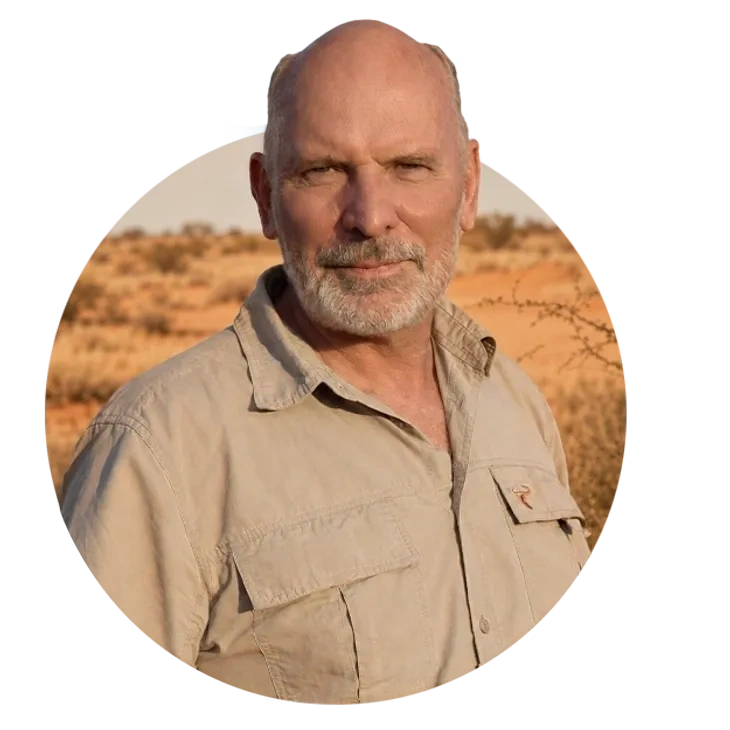
When Paul Bevan, co-founder of Japie, received an invitation to attend the 2026 ARC Conference in London, his first instinct was to decline. Yet the journey he nearly missed ended up confirming something unexpected.
Under the theme The Age of Reconstruction, the Alliance for Responsible Citizenship brought together world leaders, thinkers, entrepreneurs, and community builders around one central question:
What does it take to rebuild?
For many, the answers are sought in public policy, technological innovation, economic reform, or new institutions. But Paul returned from London with a renewed conviction that Japie may already be exploring part of the answer.
What if responsible citizens are shaped not only by ideas, but by stewardship? What if the path to stronger communities begins with something as tangible as a cow?
This is the simple yet powerful principle Japie is exploring. Cattle are not the end goal. They are the starting point of an ecosystem where people learn to preserve value, embrace responsibility, build trust, and practise stewardship.
In this first issue of From the Veld, Paul reflects on leadership, responsibility, spiritual wisdom, and the kind of social reconstruction that depends on disciplined people, healthy relationships, and a shared moral foundation.
It is a reflection on cattle, yes - but also on citizenship, values, and Africa's ability to build from abundance rather than lack.
Read more below.
|
|
|
The Journey Paul Bevan Almost Didn’t Take
|
How a trip to the ARC Conference in London, which Paul initially hesitated to take, once again clarified Japie’s deeper purpose: using cattle as the starting point to develop leadership, discipline, and wisdom in people.
|
|
|
|
|
In June 2026, Paul Bevan travelled to London to represent Japie at the ARC Conference, the Alliance for Responsible Citizenship. But at first, he was not sure whether he should go.
The invitation was important, but Paul would have preferred to remain in the background and focus on the work he does on the ground.
|
|
|
|
For him, the decision was not about status or ambition. It was about discernment. He had to decide whether this was merely a good opportunity or something God was calling him to pursue.
ARC has grown into a global gathering where people speak about responsibility, faith, family, culture, economics, leadership, and the future of society. The 2026 conference was held in London from 23 to 25 June under the theme The Age of Reconstruction.
For Paul, it became an opportunity to hear new perspectives and ask how they apply to the realities of Southern Africa. He returned with a clearer understanding of Japie’s focus: cattle are the starting point, people are the deeper purpose, and wisdom is what holds everything together.
|
|
|
|
“Cattle give shape to the vision, but the deeper work remains people.”
|
|
|
|
When Discipline Made the Difference
|
|
|
|
Paul’s first reaction was to decline the invitation. He has travelled widely and knows that a quieter approach to his work is more important now than another international trip.
But this invitation felt different. It came through relationships, good timing, and previous opportunities in which he had chosen obedience.
In the end, the decision was not about comfort. It was about obedience. If the Lord was asking him to go, personal preference could not have the final say.
That is where discipline comes in. Discipline does not mean ignoring your own desires. It means placing them under the guidance of wisdom.
For Paul, wisdom means more than knowledge or intelligence. It means discerning what is right before God and acting accordingly.
He went because he believed wisdom required it of him. When he returned, he had new clarity about the calling and vision of Japie.
|
|
|
ARC Was the Setting, but Japie Remained the Focus
|
|
|
|
|
ARC's theme of reconstruction asked an important question:
How do societies build strong foundations in times of uncertainty?
|
|
|
|
As institutions face pressure, communities become fragmented and economic systems grow increasingly complex, people everywhere are searching for resilience, stability and trustworthy networks.
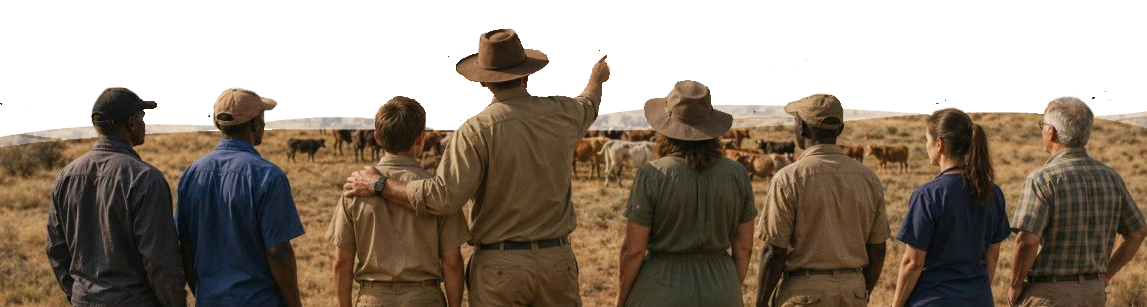
This is the same question Japie is working with, but from a practical angle: cattle, farms, farmers, land, families, food security, and real value.
The conference reinforced an important point: Japie is already living out many of these things. Japie is not simply a cattle initiative. It is a platform for building responsible people, stronger communities and enduring value.
|
|
|
|
"While we live on earth, our primary allegiance and true home belong to God's Kingdom."
|
|
|
|
After ARC, Paul understood even more clearly why cattle play such an important role in Japie. Cattle are not the end goal, but they are the starting point. They keep the vision grounded in something real and tangible.
Without cattle, the conversation can easily become abstract. They remind us that value is not only a concept. It is something that must be managed, protected, and cared for.
|
|
|
|
|
People may come to Japie because they see cattle as a safe-haven asset, but those encounters usually lead to larger questions.
How do we protect value over time? How do we build communities strong enough to withstand difficult seasons? What kind of leadership is needed when uncertainty increases? What does the next generation of stewards look like?
It is in these questions that the deeper purpose of Japie begins to emerge.
|
|
|
|
A Community Built on Stewardship
|
|
|
The value of cattle is real, visible, and accountable, and therefore can never stand apart from responsibility. For Japie, this is not only about protecting value today, but about responsibly building toward a sustainable future.
That leads us to the question: who are the people gathering around Japie?
For us, it is clear that nationality, race, income, or geography cannot be the measure of connection. People who connect with Japie come from different countries, professions, cultures, and circumstances, but they share a deeper conviction about value, responsibility, and stewardship.
Philippians 3:20 says, “our citizenship is in heaven.”
This verse expresses something foundational to Japie. Although we live and work within earthly systems, our first allegiance and true home are in God’s Kingdom. Responsibility therefore does not begin merely with ownership or management, but with obedience to God.
Stewardship is a deeply biblical concept. It rests on the belief that God is the Creator and Owner of all things, and that people are called to manage what has been entrusted to them with wisdom, care, and accountability.
From this understanding, they see themselves as stewards of what has been entrusted to them. Although Japie is a practical platform, the work itself is never value-neutral.
The connecting bond is therefore not simply an interest in cattle or tangible value. It is a shared conviction that value must be responsibly protected and managed so that good stewardship can contribute to healthy enterprises, strong communities, and a sustainable future.
|
|
|
|
Leadership Is the Hidden Assignment
|
|
|
|
|
At ARC, one phrase stayed strongly with Paul: leadership, leadership, leadership.
It came during a prayer breakfast on the second morning. Paul unexpectedly found himself seated next to a new acquaintance. During their conversation, Paul shared a word, and the man responded with his own: “Leadership, leadership, leadership: where you are.”
That quiet moment of recognition gave words to something Japie had already sensed.
|
|
|
|
Where Japie is involved, leadership is necessary. Some people join Japie without realising that they are beginning a process of personal development. Although not everyone initially sees themselves as a leader, responsibility often reveals a person’s true character.
Leadership takes different forms. A father who provides for his household shows leadership. A farmer who manages land and livestock through difficult seasons leads. Choosing discipline over comfort is an act of leadership. People who follow God’s guidance and act accordingly, even in difficult times, are being shaped as leaders.
Japie’s purpose reaches beyond the storehouse cattle project alone. The development of this project requires leaders with wisdom and discipline at every level. One of Japie’s core roles is therefore to support others in their development and help unlock their leadership potential.
|
|
|
|
Africa Has Abundance, Not Lack
|
|
|
|
|
One of the strongest convictions Paul brought back from London came after a panel discussion led by a well-known royal figure from the Warri Kingdom in Delta State, Nigeria.
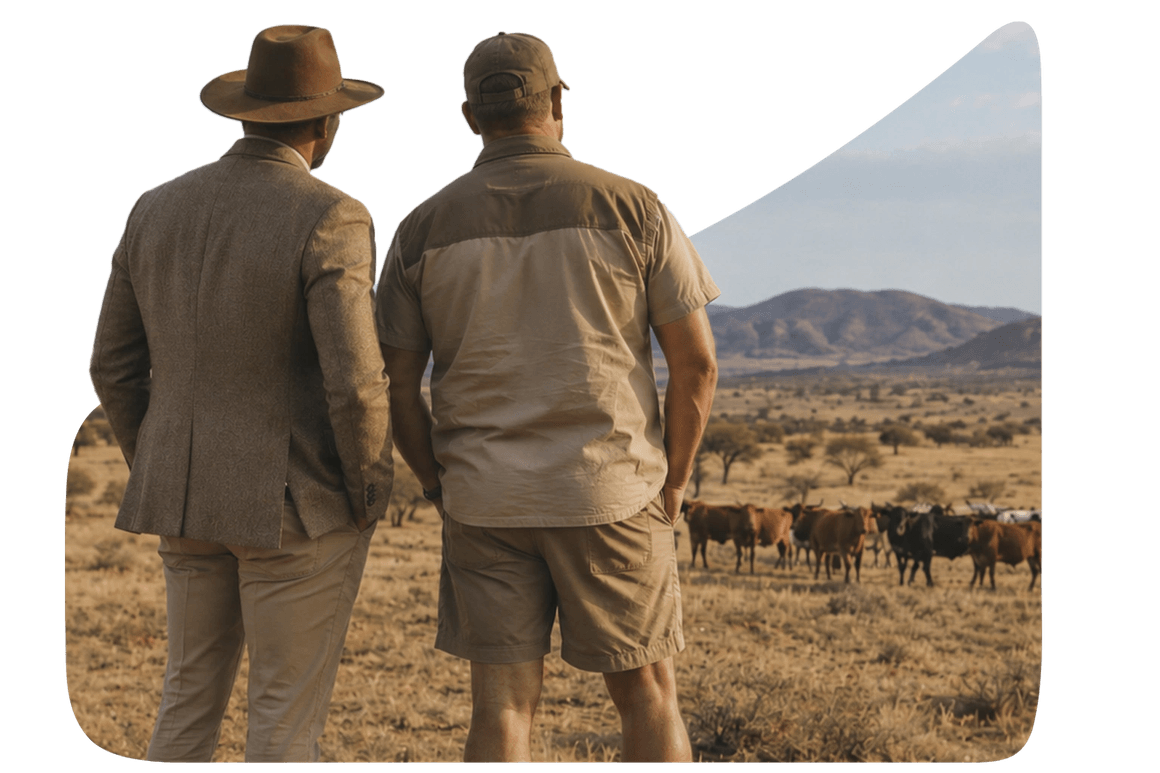
The conversation made something clearer for Japie: Africa must stop seeing itself mainly in terms of what is missing. Africa has abundant resources: land, cattle, grass, sun, water, and strong communities.
|
|
|
|
The people of Africa are strong, showing resilience, practical intelligence, and the ability to adapt and build. The challenge is to create, develop, and flourish from these existing strengths.
This is why cattle matter in Japie. They represent one of the oldest and most tangible forms of value, closely connected to land, food, and stewardship.
In a world where value is often abstract and digitised, cattle bring value back into a tangible and responsible context. They require care, land stewardship, and an understanding of seasons, risk, breeding, grass, and water. This is a deeply practical responsibility.
|
|
|
|
Stronger Together Than Alone
|
|
|
Paul’s reflection from ARC highlighted a promising opportunity: different strengths working together.
Africa brings land, resilience, and productive potential. Europe brings established systems, technology, and institutional memory. South African and Israeli farmers bring expertise in managing difficult environments and improving land productivity. Innovators are developing solutions in water, financial systems, barter, energy, and decentralised value.
A conversation at ARC illustrated this potential. Paul met a German innovator who had developed technology to extract water from the air. Others are building wallet and barter systems that make new forms of exchange possible. It showed the kind of collaboration Japie is looking for: practical technology, tangible resources, and responsible partners who connect with one another.
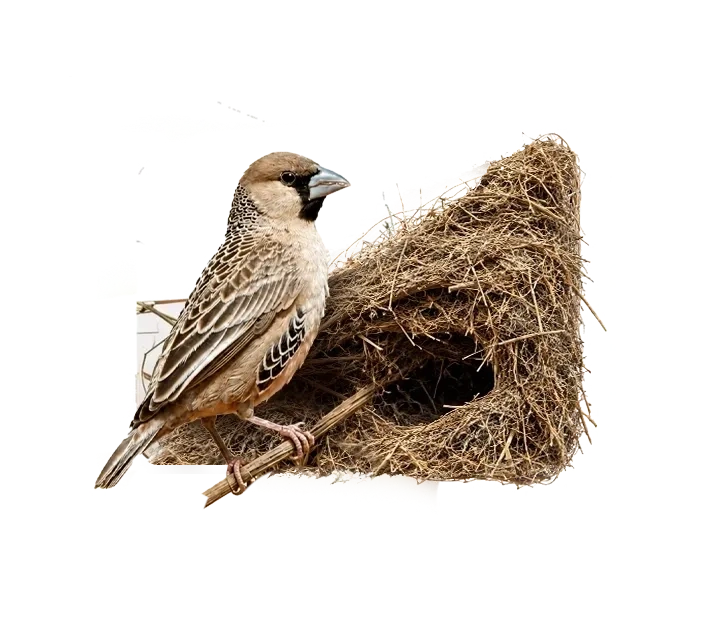
This connects directly to Japie’s safe-nest concept. A safe nest is a living network of people with unique skills who place trust in one another and hold one another accountable to unlock value for the whole network.
It makes it possible for farm Japies and city Japies to work together in a forward-looking way. These are the kinds of strong relationships that help communities endure difficult times.
|
|
|
|
Everything Comes Back to Wisdom
|
|
|
Of all the ideas and conversations Paul brought back from London, one theme remains most important to him: wisdom.
Knowledge builds understanding. Intelligence creates possibilities. Ambition drives progress. But wisdom determines how we manage value, how we serve people, and how we remain faithful to what we have been called to do.
Wisdom asks us to discern what truly matters. It asks us to listen before we act, to seek God’s guidance instead of simply following our own preferences, and to learn the difference between a good opportunity and a calling.
This brings the story back to where it began.
Paul did not go to London because it was comfortable. He went because he believed it was the right thing to do. When he returned, he received deep confirmation of what Japie is building: cattle as the starting point, Safe Nests as the practical expression of the vision, people as the true focus, and wisdom as the foundation on which everything rests.
Opportunities alone do not lead to growth. Growth requires vision, discipline, and the humility to remain faithful to the values and convictions that inspired the work from the beginning.
|
|
|
To grow, you need more than new opportunities. You also need clear direction, strong discipline, and the humility to stay true to the values that first gave your work purpose.
|
|
|
|
CATTLE FOR WEALTH PRESERVATION
|
COW is Japie’s structured unit of value, directly linked to productive cattle. It is not a token, digital asset, or speculative share.
|
|
|
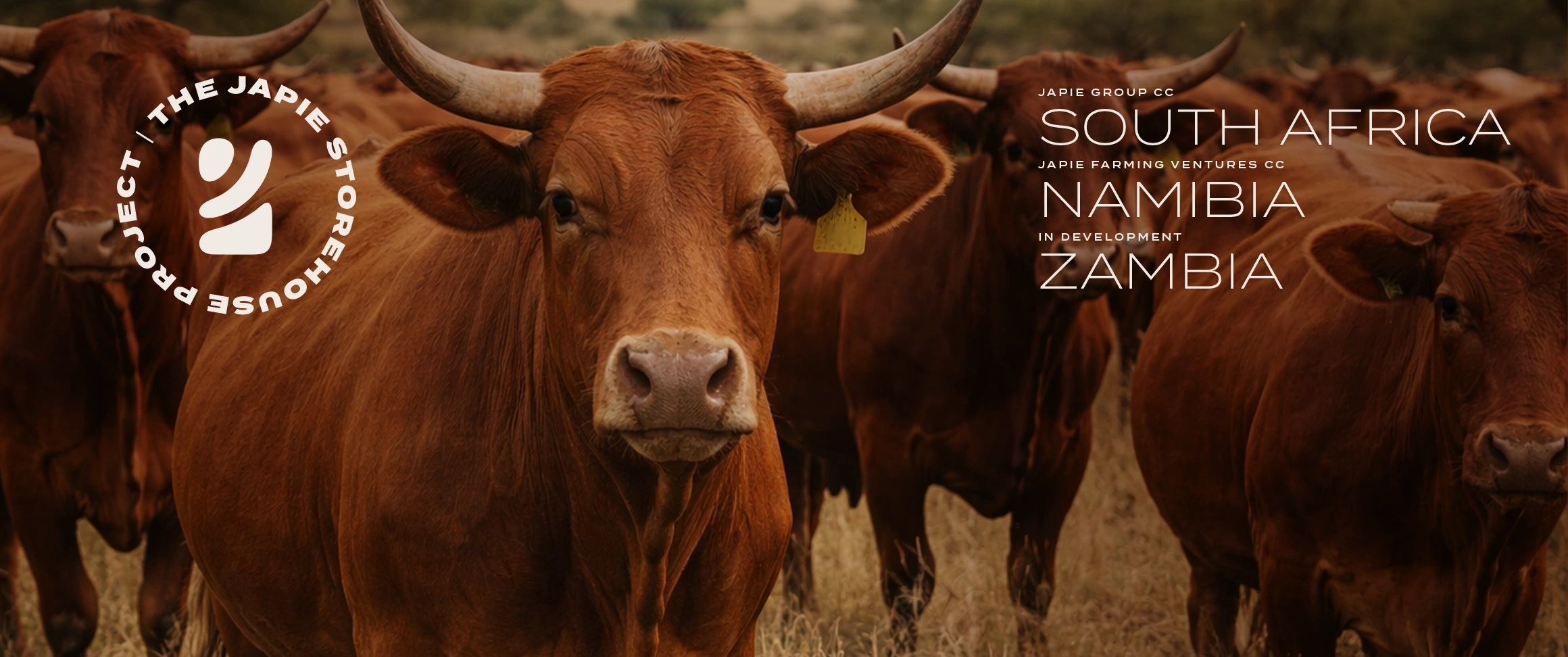
Safe Nests form the next phase of the Japie vision. Selected Japie farms in the Northern Cape, Namibia, and Zambia will function as outposts and offer Japies worldwide a place to connect, rest, or find shelter during times of crisis.
|
|
|
|
Please share this newsletter with someone who will resonate with Japie’s principles.
We are building purposefully and carefully: one relationship, one farmer, one cow, and one safe nest at a time.
Click below to share:
|
|
|
|
Cattle-backed value preservation · Southern African safe zones · Real farms, real farmers, shared resilience.
|
|
|
|
|